Chapter 1
Electronics
Where the subject begins: signals, components and the physics-to-circuits path the whole book follows.
The textbook companion site of Prof. Henry Ohiani Ohize
From semiconductor physics to working circuits. Lecture slides for every chapter, LTSpice and MATLAB simulation tasks, and tools you can use while you study.
Hardcover edition ₦18,500 Buy the book Table of contents (PDF)
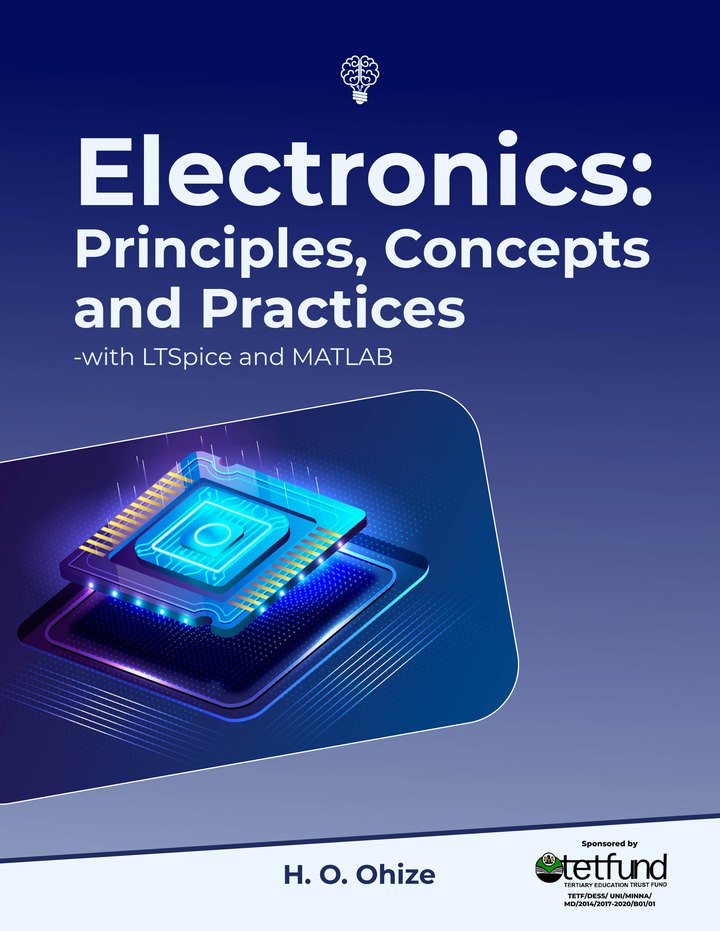

Lecture slides excerpted from Electronics: Principles, Concepts and Practices. Open a chapter to preview it, or download the slides as a PDF.
Chapter 1
Where the subject begins: signals, components and the physics-to-circuits path the whole book follows.
Chapter 3
Junction behaviour, diode models, rectifiers, clippers and clampers.
Chapter 5
Transistor action, characteristic curves and DC biasing networks.
Chapter 7
Equivalent-circuit models for amplifier gain and impedance.
Chapter 11
Ideal op-amp rules, inverting, non-inverting and summing amplifiers.
All four parts of the book on one page.
Electron charge, Boltzmann's constant and the rest, in one table.
For the worked examples and end-of-chapter problems.
Extra files shared for the course.
No chapters or resources match . Try a topic such as , or .
Enter any two of voltage, current and resistance. The third value and the power dissipated are worked out as you type.
A bottom-up course in four parts: semiconductor physics, devices and modelling, circuit analysis and design, and current trends. LTSpice and MATLAB are part of the syllabus, with simulation tasks at the end of each part, and free lecture slides accompany every chapter.
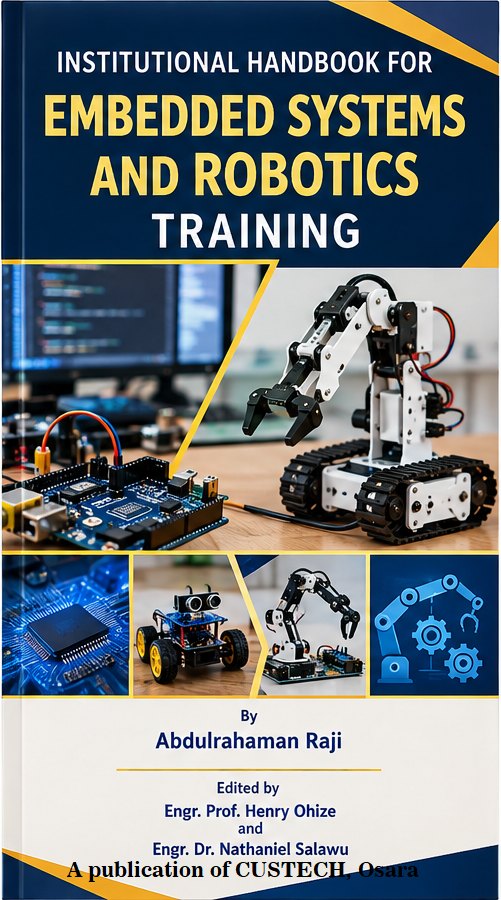 Coming soon
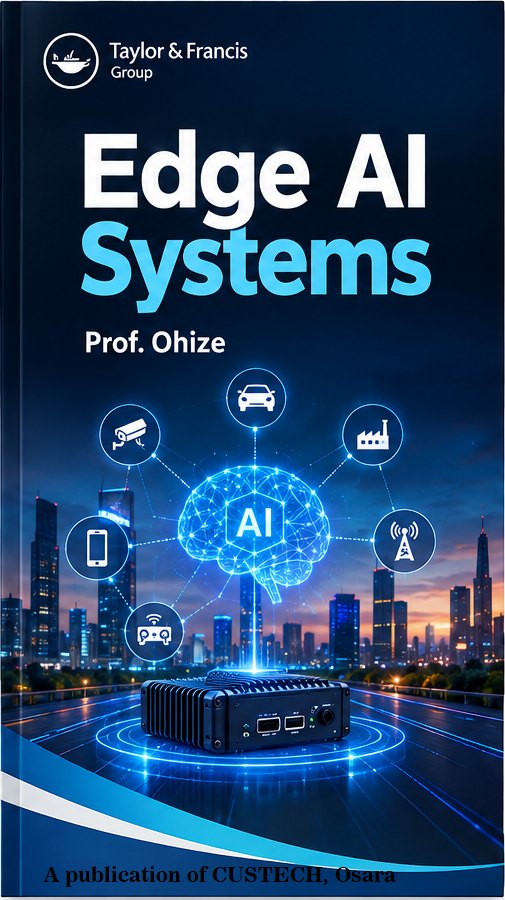 Coming soon
 Coming soon
Questions about the book, bulk orders for a class, or access to lecture materials.
Chat with Henry on WhatsAppSupported by


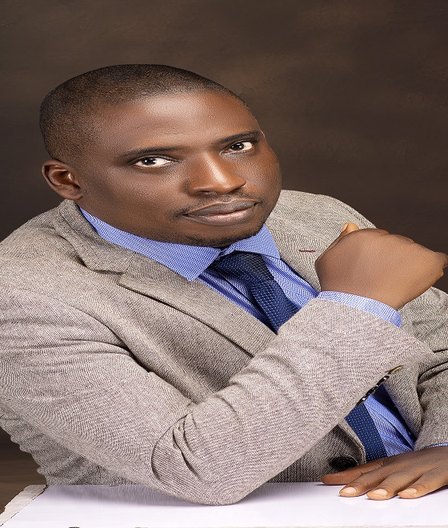
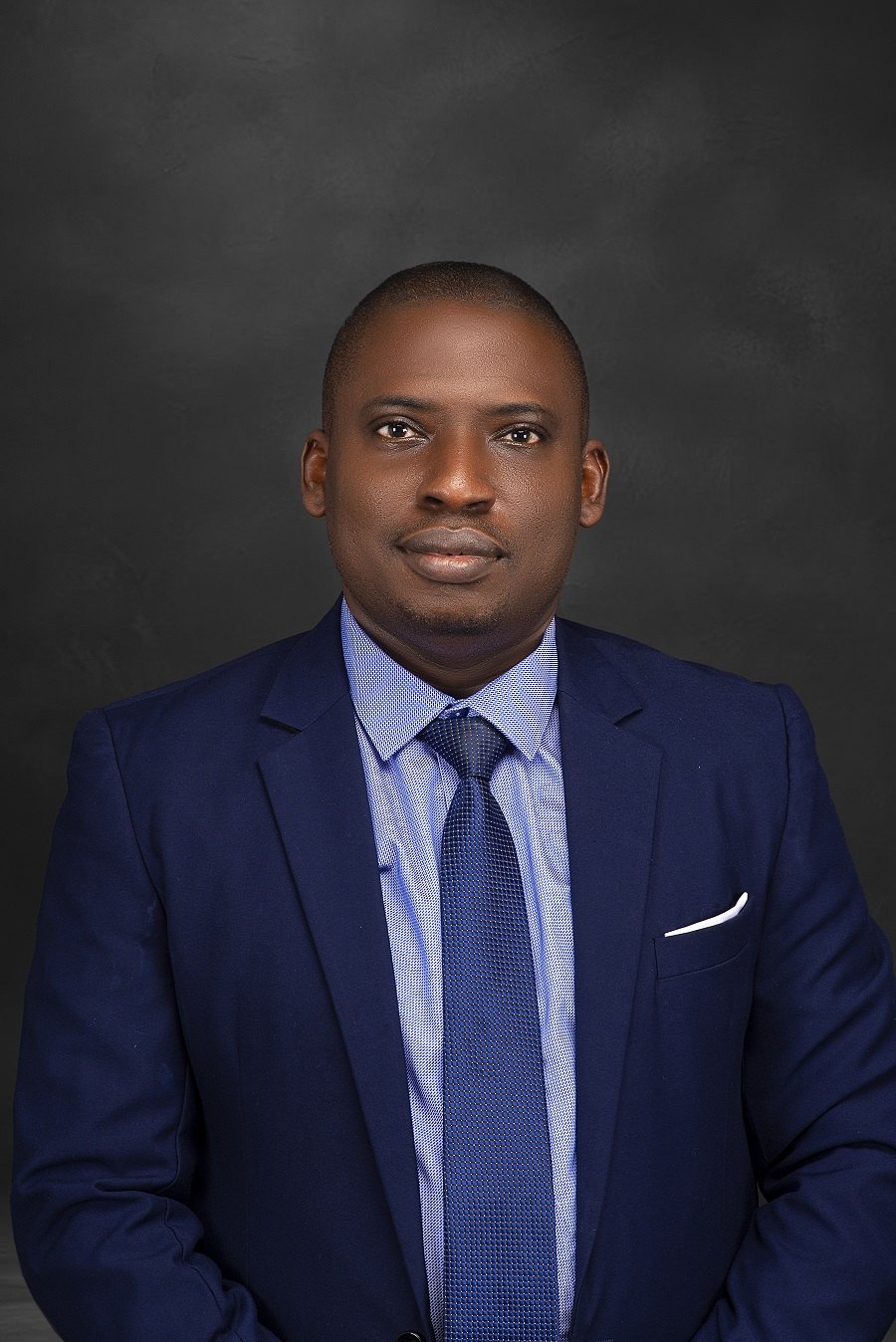
Dean of the Faculty of Engineering at Confluence University of Science and Technology (CUSTECH), Osara, Nigeria. An engineer, academic, researcher and author with over 18 years of experience, his interests span electronics, artificial intelligence, embedded systems, wireless communications, blockchain and AI-driven public health solutions.
He is a member of a high-level delegation involved in setting the research agenda for cholera and the General Chair of SAFER-TEA 2026.


